Mastering Patient Communication in Dentistry
Introduction: The Foundation of Trust and Acceptance
Effective patient communication is the bedrock of a successful dental practice. It's not merely about conveying information; it's about building rapport, fostering trust, and ensuring patients feel heard, understood, and empowered in their treatment decisions. Poor communication can lead to misunderstandings, missed appointments, and ultimately, unaccepted treatment. This guide will delve into the strategies and systems that elevate patient communication from a transactional exchange to a relationship-building dialogue, driving both patient satisfaction and practice growth.
Section 1: The Impact of Communication on Patient Experience and Outcomes
Beyond the Clinical: Why Communication Matters Most
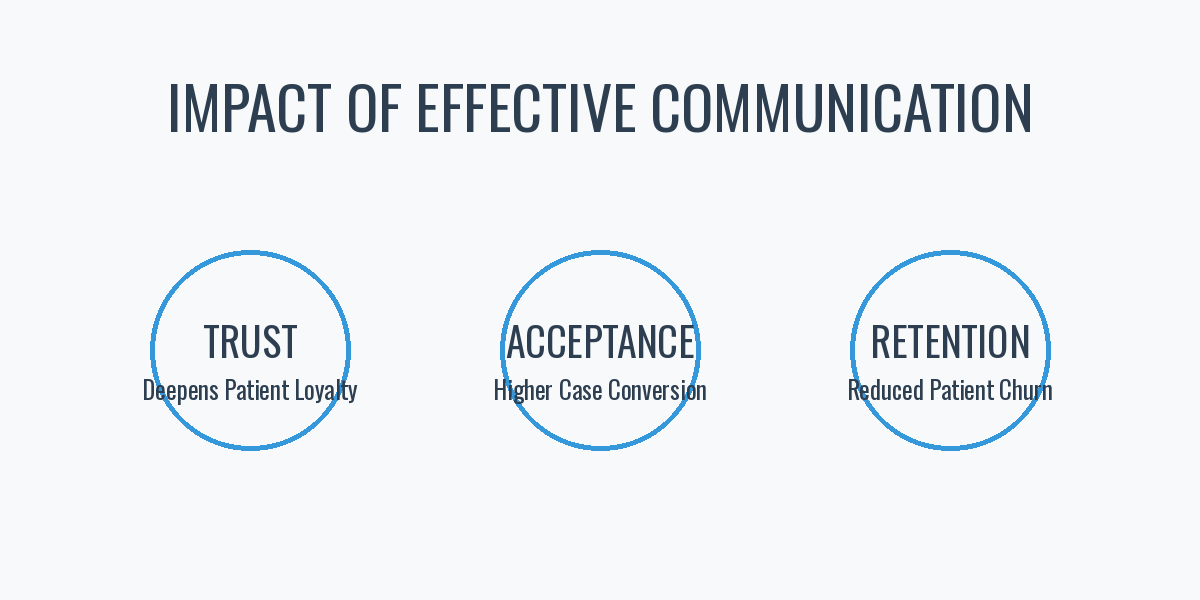
Patients often judge their dental experience not just by the clinical outcome, but by how they were treated and how well their concerns were addressed. Clear, empathetic, and consistent communication directly influences:
Patient Trust: When patients feel understood, their trust in your practice deepens.
Treatment Acceptance: Patients are more likely to accept treatment when they fully grasp its necessity and benefits.
Retention & Referrals: Positive communication experiences lead to loyal patients who readily refer others.
Reduced Anxiety: Effective communication can significantly alleviate patient anxiety and fear.
Common Communication Breakdowns
Identifying where communication falters is the first step to improvement:
Jargon Overload: Using complex dental terminology without clear explanations.
Passive Listening: Failing to actively listen to patient concerns and questions.
Inconsistent Messaging: Different team members providing conflicting information.
Lack of Follow-Up: Not checking in with patients post-treatment or after missed appointments.
Section 2: The Patient Communication System™ Framework
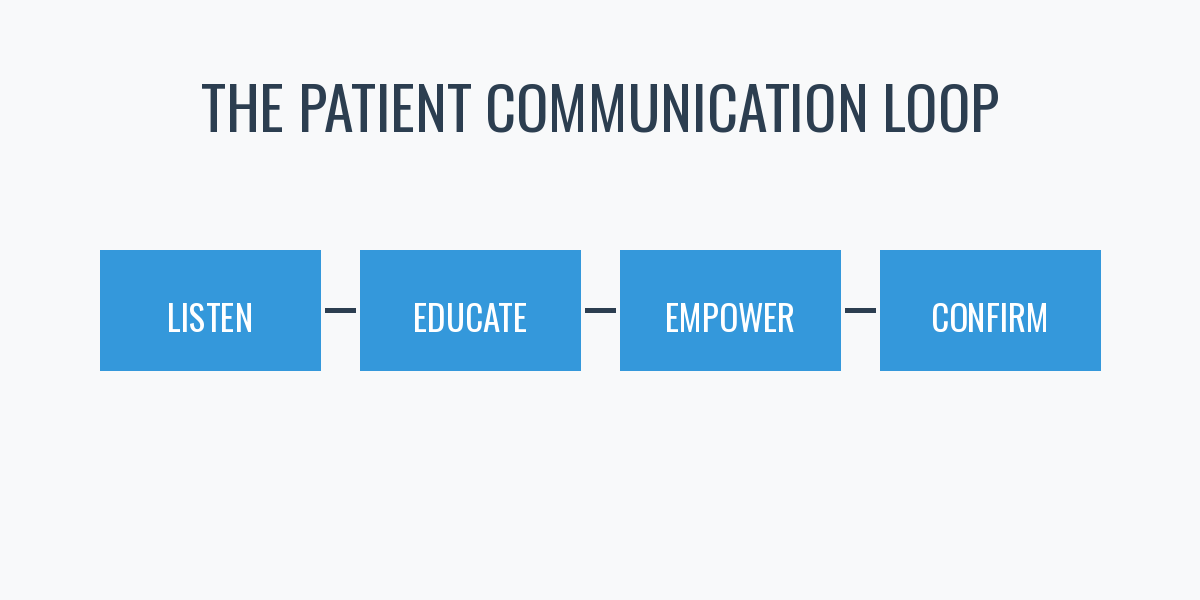
Our framework focuses on creating a cohesive communication strategy that spans every patient touchpoint, ensuring clarity, consistency, and empathy.
Pillar 2.1: Pre-Appointment Engagement & Education
Setting the stage for a positive experience begins before the patient even arrives.
Strategies:
Personalized Welcome Sequences: Use automated welcome emails and texts to introduce the team and set expectations.
Digital Health History & Forms: Streamline check-in by gathering crucial patient data before they step into the office.
Pre-Visit Educational Content: Provide short videos or articles on common procedures to empower patients with knowledge.
Pillar 2.2: In-Office Communication Excellence
Every interaction within the practice is an opportunity to build trust and reinforce value.
Key Responsibilities:
Empathetic Active Listening: Training team members to truly hear and acknowledge patient concerns.
"Tell-Show-Do" Approach: Using visual aids and simple language to explain diagnoses and treatment options.
Team Huddles & Hand-offs: Ensuring internal communication is seamless so the patient never hears conflicting information.
Pillar 2.3: Post-Treatment & Follow-Up Communication
Communication doesn't end when the patient leaves the office. Consistent follow-up is vital for recovery, satisfaction, and long-term retention.
Components:
Post-Op Instructions & Check-ins: Automated or personalized post-operative care instructions and follow-up calls.
Recall & Recare Systems: Efficient systems for scheduling and reminding patients about preventive care.
Feedback & Review Management: Actively soliciting patient feedback and encouraging online reviews to build social proof.
Section 3: Leveraging Technology for Enhanced Communication
Modern dental practices utilize technology to scale and personalize communication efforts.
Integrated Communication Platforms: Using patient communication software for automated reminders and two-way texting.
AI-Powered Tools: Implementing tools for initial inquiries or after-hours support to ensure no patient is left waiting.
Telehealth & Virtual Consultations: Offering virtual tools for convenience and accessibility for initial consultations.
Conclusion: Building Lasting Relationships, One Conversation at a Time
By implementing a robust Patient Communication System™, you transform your practice into a hub of trust and understanding. This leads to higher case acceptance, greater patient loyalty, and a more fulfilling experience for both your team and your patients.
Ready to revolutionize your patient communication?